Yes No Share to Facebook
Fighting Snowmobile Charges: Alleged Violations of the Motorized Snow Vehicles Act
Question: Is defending against snowmobile charges the same as defending automobile charges in Ontario?
Answer: No, because snowmobile cases can involve different rules and defences than automobile cases in Ontario, including distinct obligations around helmets, speed limits, towing, insurance, and accident reporting under Motorized Snow Vehicles Act, R.S.O. 1990, c. M.44 versus Highway Traffic Act, R.S.O. 1990, c. H.8. Hall Paralegal Services provides Ontario paralegal services to review the charge, identify the governing law, and build a defence strategy based on the specific vehicle type and alleged offence.
Does the Law Treat Snowmobiles the Same as Automobiles?
The law applicable to snowmobiles is somewhat different than the law applicable to automobiles. Accordingly, defending against snowmobile charges requires a strong understanding of the nuanced differences between the two sets of laws.
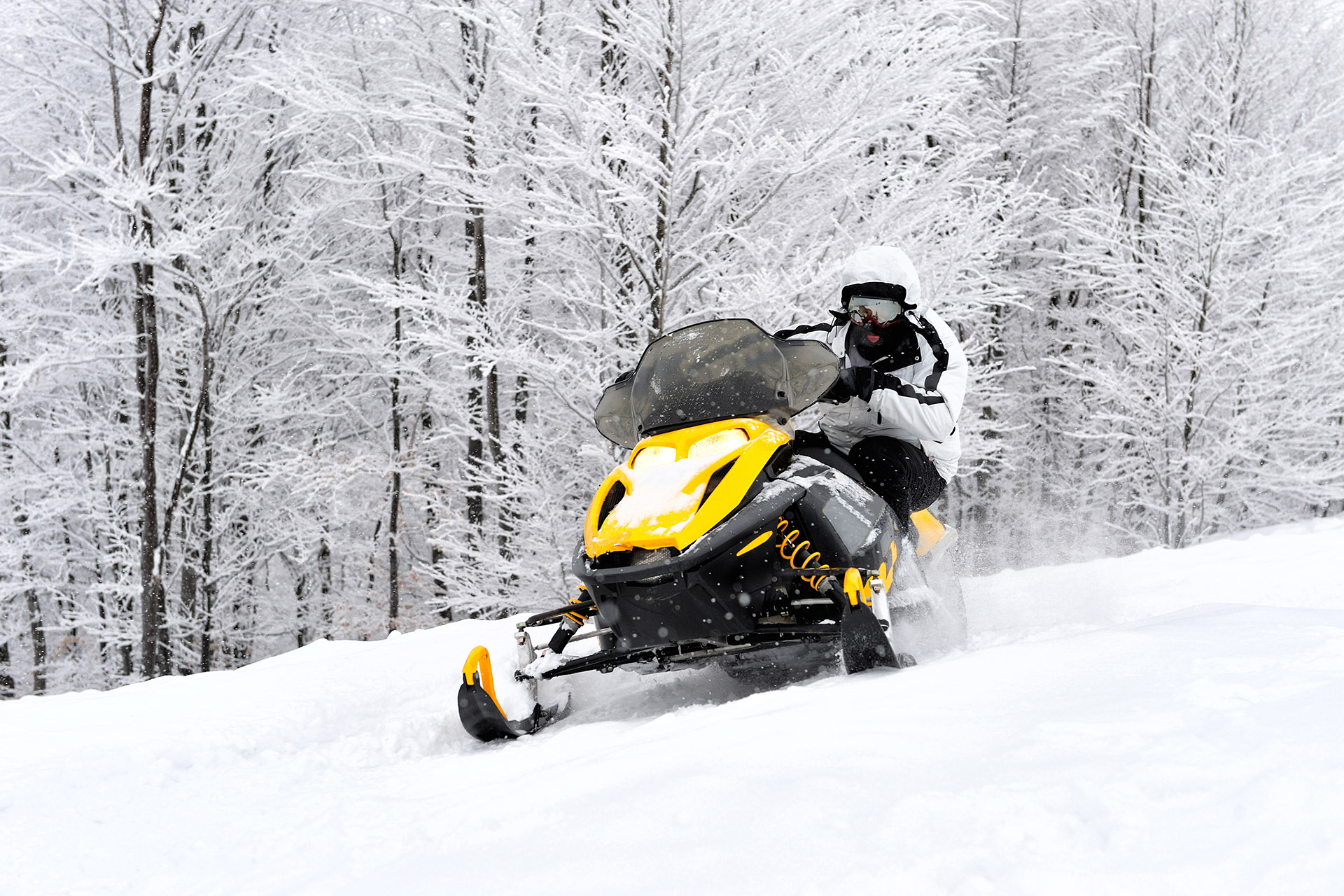 The laws that are applicable to driving an automobile may also apply to driving a snowmobile; however, many laws also differ with unique nuances that make for some differences in the legal strategies that are available when defending snowmobile charges versus defending automobile traffic tickets. Understanding the unique differences between a charge involving the operation of a snowmobile versus a charge involving the operation of an automobile is critical. An experienced legal professional can help to identify the unique differences, and thus the defence strategy nuances, that differ from a charge involving the operation of a snowmobile versus a charge involving the operation of an automobile.
The Law
Are Snowmobile Laws and Automobile Laws the Same?
Generally, the law applicable to snowmobiles is the Motorized Snow Vehicles Act, R.S.O. 1990, c. M.44 rather than the Highway Traffic Act, R.S.O. 1990, c. H.8 as applies to most automobiles. Whereas the various offences, the various applicable special conditions or exceptions, and the various nuanced differences, between the laws may affect defence strategies and options for legal theories to argue, it is important and necessary to have a strong understanding of the two sets of laws and the differences within each.
Differences Between Snowmobile Law and Automobile Law Include:
- The requirement to snowmobile with a legally approved helmet;
- The various differences involving the applicable speed limits;
- The exception and conditions for towing skiers, toboggans, or other things;
- The requirement of insurance coverage and the special exception that applies;
- The requirement to report an accident; and
- The various other nuances applicable to snowmobiles.
Understanding the specific differences within the laws applicable to automobiles and the laws applicable to snowmobiles is a necessity when fighting snowmobile charges.
Charges May Involve:
More Information About Fighting Snowmobile Charges Is Available...
Here are links to four (4) other webpages:
NOTE: A significant plethora of online searches featuring “lawyers near me” or “best lawyer in” frequently indicates a pressing requirement for adept legal support rather than a particular professional designation. In , licensed paralegals operate under the same Law Society that governs lawyers and are permitted to represent clients in specific litigation matters. Skills in advocacy, legal analysis, and procedural expertise are fundamental to that function. Hall Paralegal Services provides legal representation within its regulated mandate/scope, focusing on strategic positioning, evidentiary preparation, and compelling advocacy designed to achieve prompt and advantageous outcomes for clients.