Yes No Share to Facebook
Fighting Impaired Driving Charges: Operation of Automobiles, Watercraft, among other things
Question: What’s the difference between a “DUI” and an impaired operation charge in Ontario?
Answer: In Ontario, “DUI” or “DWI” is a common term, but the Criminal Code offence is impaired operation of a conveyance (impaired driving), which can involve a motor vehicle, boat, aircraft, or railway equipment, with more serious variations if it caused bodily harm or death under Criminal Code of Canada, R.S.C. 1985, c. C-46. Hall Paralegal Services provides Ontario paralegal services to help you understand the charge type, the allegations (including “within two hours” BAC provisions), and next steps for your case.
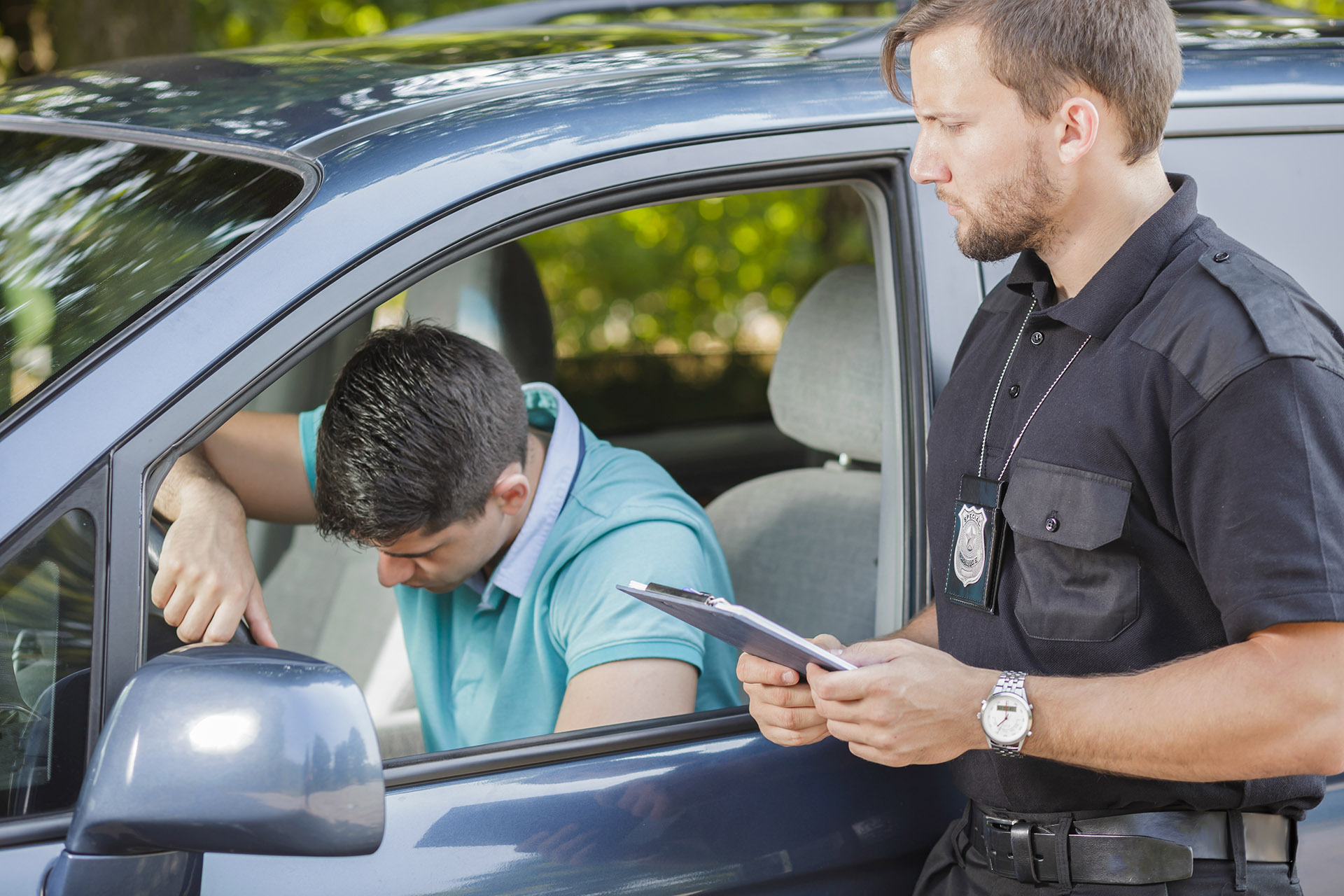 The charge that is commonly known and referred to as driving under the influence ("DUI") or driving while impaired ("DWI") is actually a misnomer. Technically, in law, the charge is impaired operation of a conveyance ("impaired driving") which may involve a motor vehicle, a watercraft of many types, an aircraft, or railway equipment. Additionally, the charge has three variations depending on whether the conduct caused danger, caused injury, or caused death. Regardless of the variations, all are viewed as very serious issues that should be carefully reviewed and addressed by a qualified legal professional.
The Law
In 2018, the Criminal Code of Canada, R.S.C. 1985, c. C-46 was significantly revised. The former impaired driving charge, which was previously found at section 249 of the Criminal Code was repealed and the new charge of dangerous operation of a conveyance was added, and reworded from the former charge. The new charge is found at section 320.14 of the Criminal Code. Specifically, the new charge states:
Impaired operation
320.14 (1) Everyone commits an offence who
(a) operates a conveyance while the person’s ability to operate it is impaired to any degree by alcohol or a drug or by a combination of alcohol and a drug;
(b) subject to subsection (5), has, within two hours after ceasing to operate a conveyance, a blood alcohol concentration that is equal to or exceeds 80 mg of alcohol in 100 mL of blood;
(c) subject to subsection (6), has, within two hours after ceasing to operate a conveyance, a blood drug concentration that is equal to or exceeds the blood drug concentration for the drug that is prescribed by regulation; or
(d) subject to subsection (7), has, within two hours after ceasing to operate a conveyance, a blood alcohol concentration and a blood drug concentration that is equal to or exceeds the blood alcohol concentration and the blood drug concentration for the drug that are prescribed by regulation for instances where alcohol and that drug are combined.
Operation causing bodily harm
(2) Everyone commits an offence who commits an offence under subsection (1) and who, while operating the conveyance, causes bodily harm to another person.
Operation causing death
(3) Everyone commits an offence who commits an offence under subsection (1) and who, while operating the conveyance, causes the death of another person.
As shown, section 320.14(1) addresses impaired operation that poses danger to the public while section 320.14(2) addresses impaired operation causing bodily harm or injury and section 320.14(3) addresses impaired operation causing death. For each level of seriousness, albeit each level is highly serious, the degree of potential penalties and punishments increases.
Possible Penalties
As shown, the potential penalties following a conviction for an impaired operation offence depends upon the specific section charged and circumstances involved. Upon an impaired operation causing risk of danger conviction, the potential penalties are prescribed by section 320.19(1). Upon an impaired operation causing injury conviction, the potential penalties are prescribed by section 320.20. Upon an impaired operation causing death conviction, the potential penalties are prescribed by section 320.21. Specifically, the respective penalty sections state:
Punishment
320.19(1) Every person who commits an offence under subsection 320.14(1) or 320.15(1) is guilty of
(a) an indictable offence and liable to imprisonment for a term of not more than 10 years and to a minimum punishment of,
(i) for a first offence, a fine of $1,000,
(ii) for a second offence, imprisonment for a term of 30 days, and
(iii) for each subsequent offence, imprisonment for a term of 120 days; or
(b) an offence punishable on summary conviction and liable to a fine of not more than $5,000 or to imprisonment for a term of not more than two years less a day, or to both, and to a minimum punishment of,
(i) for a first offence, a fine of $1,000,
(ii) for a second offence, imprisonment for a term of 30 days, and
(iii) for each subsequent offence, imprisonment for a term of 120 days.
Punishment in case of bodily harm
320.2 Every person who commits an offence under subsection 320.13(2), 320.14(2), 320.15(2) or 320.16(2) is guilty of
(a) an indictable offence and liable to imprisonment for a term of not more than 14 years and to a minimum punishment of,
(i) for a first offence, a fine of $1,000,
(ii) for a second offence, imprisonment for a term of 30 days, and
(iii) for each subsequent offence, imprisonment for a term of 120 days; or
(b) an offence punishable on summary conviction and liable to a fine of not more than $5,000 or to imprisonment for a term of not more than two years less a day, or to both, and to the minimum punishments set out in subparagraphs (a)(i) to (iii).
Punishment in case of death
320.21 Everyone who commits an offence under subsection 320.13(3), 320.14(3), 320.15(3) or 320.16(3) is liable on conviction on indictment to imprisonment for life and to a minimum punishment of,
(a) for a first offence, a fine of $1,000;
(b) for a second offence, imprisonment for a term of 30 days; and
(c) for each subsequent offence, imprisonment for a term of 120 days.
Conclusion
The charge of impaired driving, which is formerly known in law as impaired operation of a conveyance, involves a range of charges of increasing severity with each carrying a range of increasing severity for the potential penalties, all of which are significantly serious. Regardless of which impaired driving charge an accused person is facing, the hiring competent legal representative is strongly urged.
Learn More About Fighting Impaired Driving Charges...
Here are links to four (4) other webpages:
NOTE: A considerable quantity of online searches featuring “lawyers close to me” or “top lawyer in” typically indicate an urgent requirement for effective legal representation rather than pointing to a particular professional designation. In , licensed paralegals are governed by the same Law Society that supervises lawyers and are permitted to represent clients in specific litigation matters. Advocacy, legal analysis, and procedural expertise are fundamental to that function. Hall Paralegal Services provides legal representation within its licensed parameters, focusing on strategic positioning, evidentiary preparation, and compelling advocacy aimed at securing efficient and favourable outcomes for clients.